
Intuition, often described as a gut feeling or a sudden insight, has long intrigued scientists and laypeople alike. While traditionally regarded as a mystical or unexplainable phenomenon, recent scientific research is beginning to unravel the mysteries behind intuitive perception. Notably, the HeartMath Institute and the Noetic Sciences Institute have conducted groundbreaking studies that provide compelling evidence for the physiological basis of intuition. In this blog post, we will explore the science behind intuition, focusing on key research findings and their implications for our understanding of human cognition and perception.
One of the most significant studies in this field comes from the HeartMath Institute, which has conducted extensive research on the heart's role in intuitive perception. Their study, titled "Electrophysiological Evidence of Intuition: Part 1. The Surprising Role of the Heart," presents fascinating insights into how the heart contributes to our intuitive abilities.
The HeartMath researchers, Rollin McCraty, Mike Atkinson, and Raymond Trevor Bradley, aimed to investigate whether the body can respond to an emotionally arousing stimulus before it is actually experienced. Their study involved presenting participants with calm and emotionally arousing pictures under controlled conditions while measuring various physiological responses, including skin conductance, electroencephalograms (EEG), and electrocardiograms (ECG).
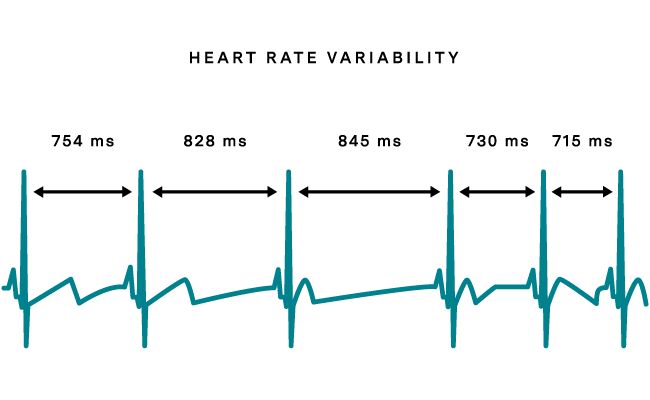
The study's results were remarkable. The researchers found that the heart appears to receive and respond to intuitive information, showing a significantly greater heart rate deceleration before future emotional stimuli compared to calm stimuli. This suggests that the heart plays a crucial role in processing intuitive information. Interestingly, the study also revealed significant gender differences, with females being more attuned to intuitive information from the heart.
These findings challenge the traditional view that the brain is solely responsible for processing information. Instead, the heart and brain seem to work together, with the heart possibly receiving intuitive information before it is communicated to the brain. This idea is further supported by the heart's extensive intrinsic nervous system, which allows it to process and encode information independently.
To explain these findings, the HeartMath researchers proposed a theory based on holographic principles. They suggest that intuitive perception accesses a field of energy where information about future events is spectrally enfolded. This theory aligns with the concept of nonlocal communication observed in quantum physics, where particles communicate instantaneously across vast distances.
The idea that the heart and brain are part of a larger interconnected system has profound implications for our understanding of human cognition. It suggests that intuition is not just a mystical or unexplainable phenomenon but a natural part of our physiological and cognitive processes.
The Noetic Sciences Institute has also contributed to our understanding of intuition and precognition. Founded by astronaut Edgar Mitchell, the institute conducts research on consciousness and its potential beyond traditional scientific paradigms. One of their notable researchers, Dean Radin, has explored the concept of presentiment, which refers to the body's ability to anticipate future events.
In a series of experiments, Radin and his colleagues measured physiological responses such as skin conductance and heart rate while participants viewed randomly selected emotional and neutral images. Their findings consistently showed that participants exhibited significant physiological changes before viewing emotional images, suggesting an unconscious perception of future events.
The combined research from the HeartMath Institute and the Noetic Sciences Institute points to a new paradigm in understanding intuition. It suggests that our bodies are equipped with a sophisticated perceptual system that can access information beyond our immediate sensory experience. This system appears to involve both the heart and the brain, working in concert to process intuitive information.
Moreover, these findings have practical implications for various fields, including psychology, neuroscience, and even decision-making in everyday life. Understanding the physiological basis of intuition could lead to new techniques for enhancing intuitive abilities, improving mental and emotional well-being, and optimizing decision-making processes.
While the research on intuition has made significant strides, there is still much to learn. Future studies could explore the neural mechanisms underlying intuitive perception in greater detail, investigate the role of other physiological systems, and examine how factors such as emotions, stress, and individual differences influence intuitive abilities.
Additionally, the practical applications of this research could be further developed. For instance, training programs that enhance physiological coherence, a state associated with optimal functioning and intuition, could be created to help individuals harness their intuitive potential. Such programs could benefit professionals in high-stakes fields, such as healthcare, finance, and emergency response, where quick and accurate decision-making is crucial.
The science behind intuition is shedding light on an aspect of human cognition that has long been overlooked or misunderstood. The research from the HeartMath Institute and the Noetic Sciences Institute provides robust evidence that intuition is a real and measurable phenomenon, rooted in our physiological and cognitive systems. By embracing and understanding intuition, we can unlock new potentials for personal growth, enhanced decision-making, and a deeper connection to the world around us.
As we continue to explore the mysteries of the human mind and heart, one thing is clear: intuition is not just a mystical force but a fundamental aspect of our nature, waiting to be understood and harnessed. The journey to fully comprehend intuition is just beginning, and the possibilities are as vast and exciting as the human potential itself.